


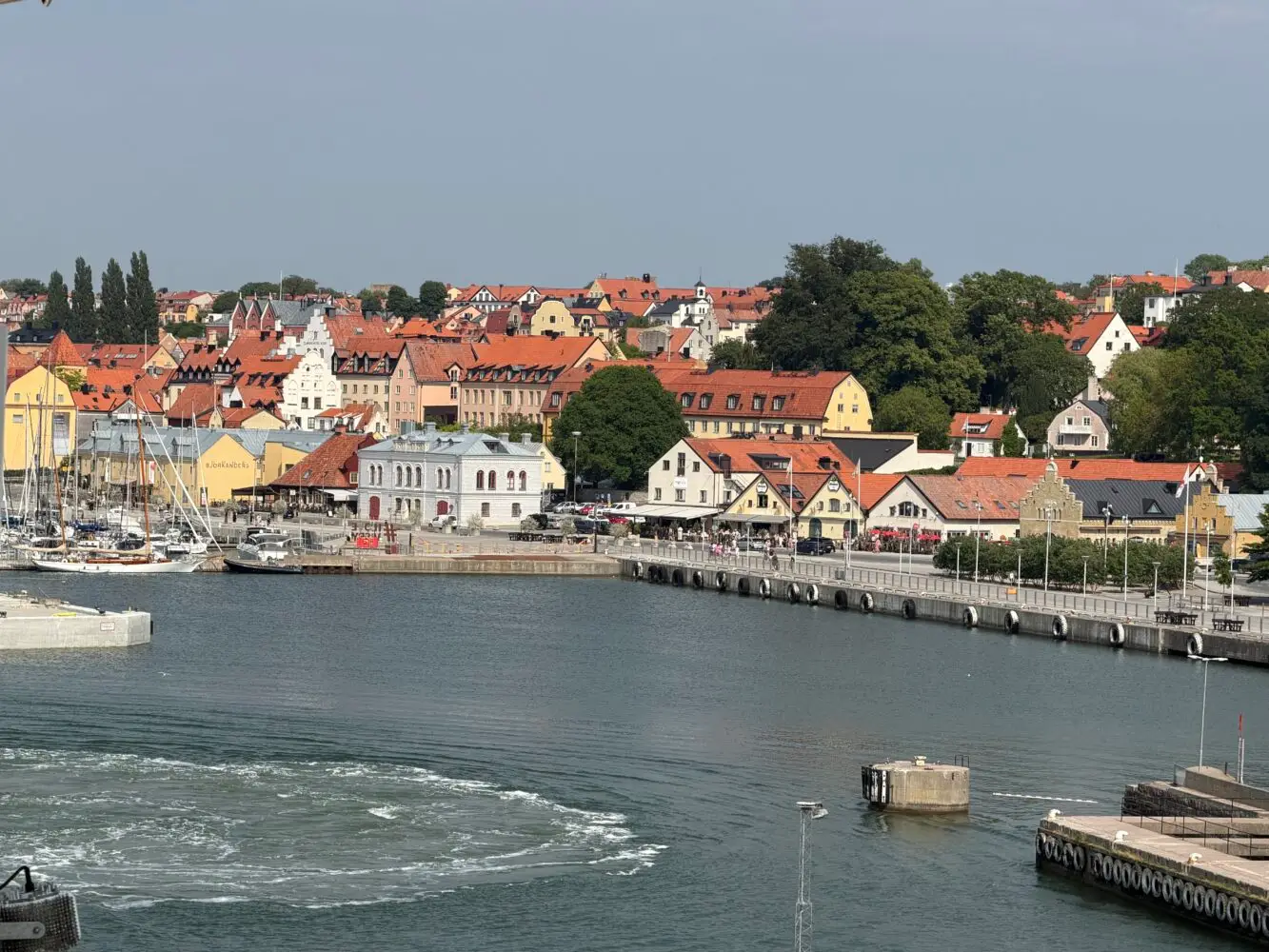
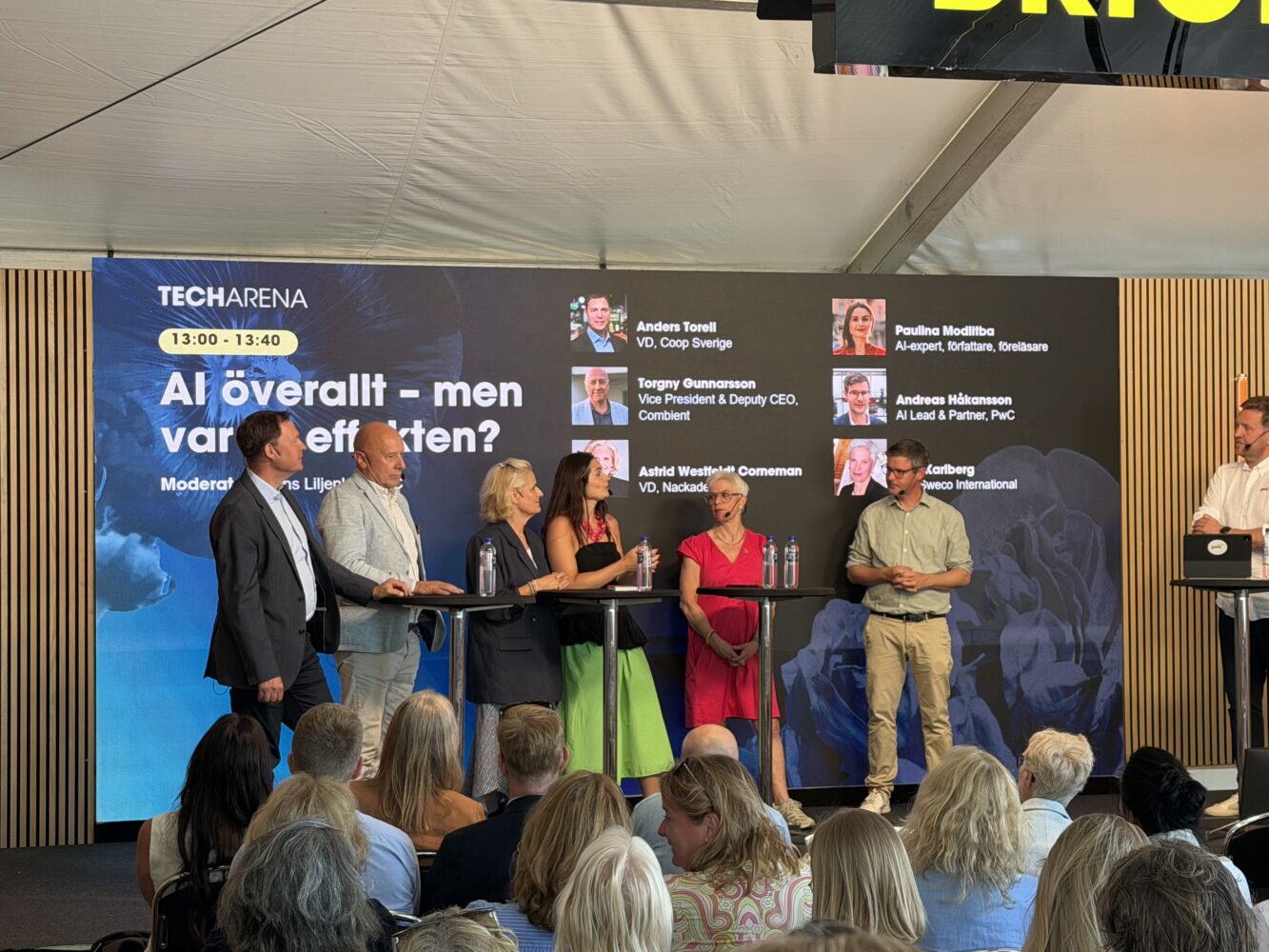
“AI everywhere – but where is the impact?” The question, which was also the title of one of many well-attended AI seminars in Almedalen, truly captures the entire mood. Just a couple of years ago, AI discussions were about what the technology *could* do. This year, almost everyone started from the premise that AI is already here. The focus has shifted from fascination to implementation. This was evident, not least, in the questions dominating the discussions. No longer, “will AI change society?” but rather:
- How do we create real value?
- How do we lead the change?
- How do we build the right competence?
- How do we govern AI responsibly?
- And how does AI strengthen Sweden’s competitiveness?
During a large number of AI seminars in Almedalen 2026 – from business and public sector to academia and tech companies – at least six clear themes emerged.

1. AI is no longer a technology issue
Perhaps the clearest shift in this year’s Almedalen is that AI has left the IT department. The issue now resides with management teams and boards.
The discussions were less about technology and more about responsibility, governance, and direction. How do you lead an organization where AI is rapidly becoming part of the core business? How is competence ensured in the boardroom? And how are decisions made when the pace of change exceeds established governance models?
AI is no longer described as a technology project, but as part of business governance.
At the same time, questions about trust, transparency, and responsibility recurred, especially when AI becomes part of decision-making.
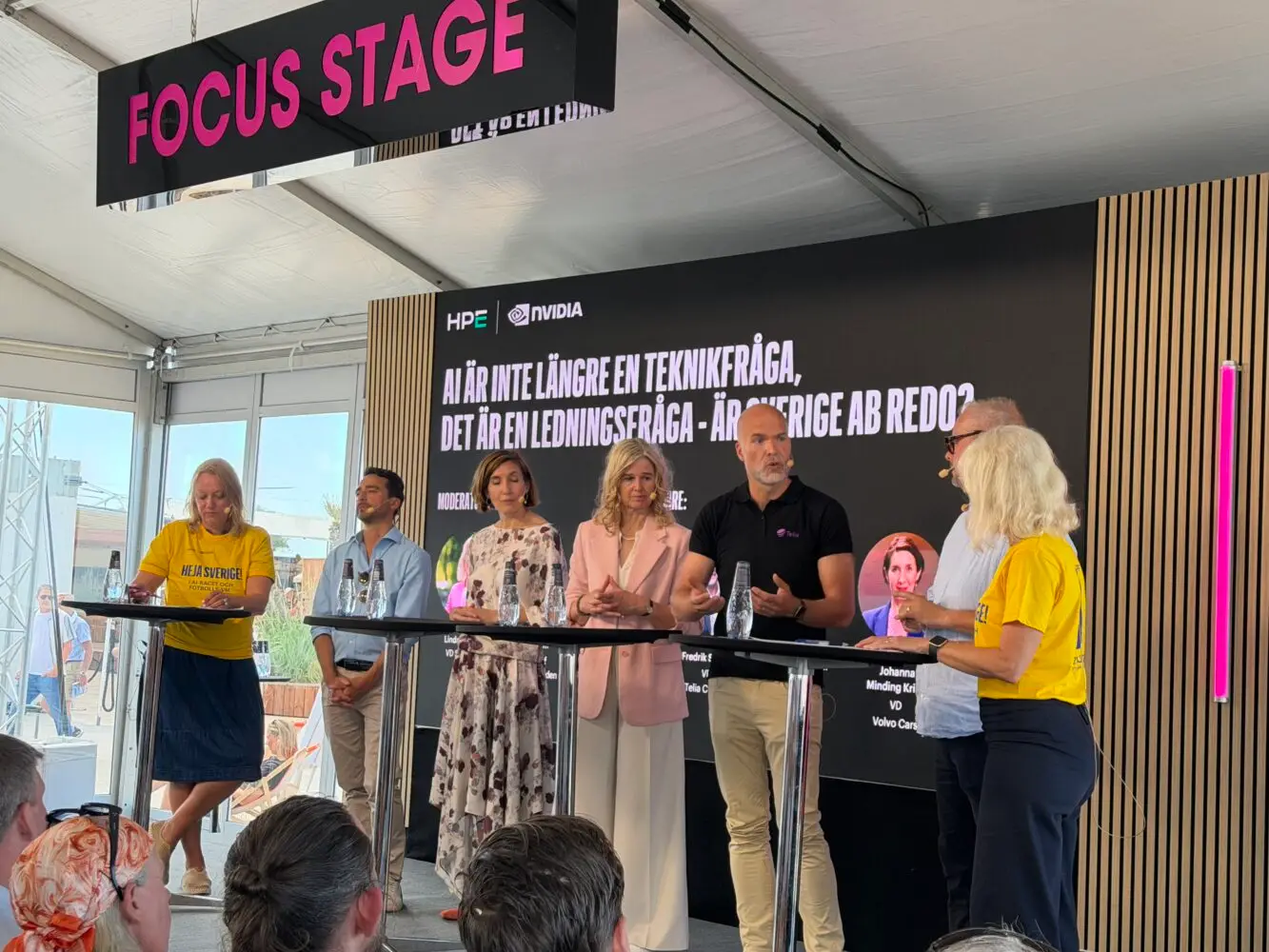
2. Technology is no longer the bottleneck
Just a year ago, AI discussions were dominated by models, tools, and technical comparisons. This year was different. Technology is increasingly seen as established. The focus has instead shifted to organization, culture, and change management.
How do you get an organization to actually change its ways of working? How do you build trust in AI for decisions? And how do you create organizations that continuously learn and adapt?
A recurring description was that AI is “digitalization on steroids” – not as a new technology, but as a shift in pace and impact.
The bottleneck is not in the technology, but in organizations’ ability to change.
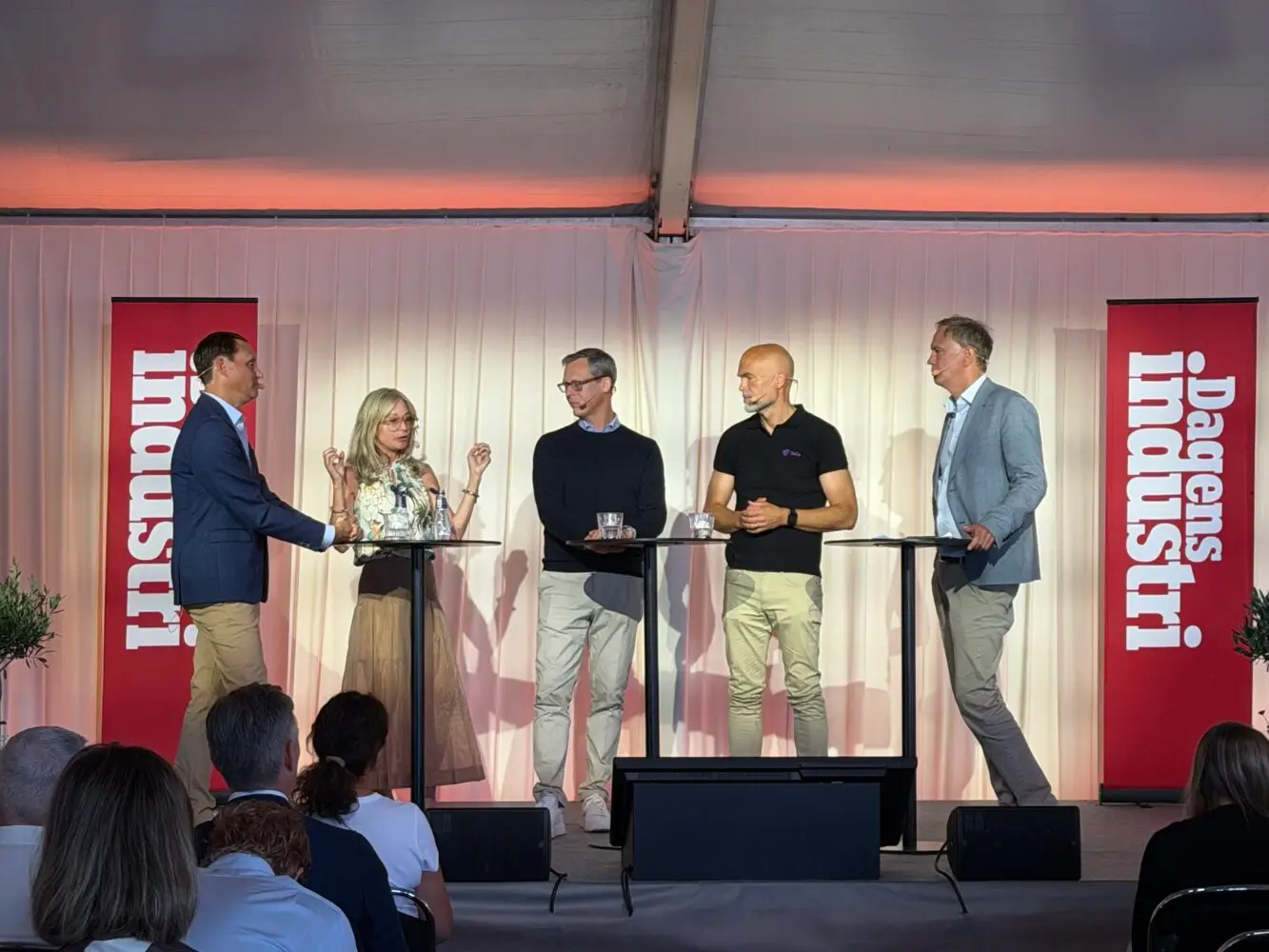
3. AI competence – a strategic issue
Competence recurred in almost all seminars. But it wasn’t solely about training; it was about how organizations truly build capability.
Several speakers emphasized the importance of leveraging existing internal initiatives – with “AI champions” – rather than trying to control everything centrally.
The expression “let a thousand flowers bloom” was used to describe how innovation often arises from the bottom up.
It’s less about training efforts and more about creating structures where learning and experimentation become part of everyday life.
Several also emphasized the importance of proper AI and, not least, compliance training for boards and management.
4. AI is bigger than language models
In several seminars, the next steps were described: AI agents/agentic AI and Physical AI, where AI becomes part of systems, products, and processes rather than a standalone tool, similar to the third wave of digitalization.
This means that AI is increasingly being built into business systems, industrial processes, and decision support.
At the same time, there is a shift in how innovation is created. Development no longer primarily occurs in proprietary systems, but in global platforms and ecosystems.
5. Ecosystems and competitiveness
One of the clearest shifts in this year’s Almedalen was also the view on collaboration. AI development no longer happens in individual organizations, but in ecosystems.
Initiatives like Combient, where some 30 Nordic industrial companies collaborate on data and development, were highlighted as examples of how shared structures can accelerate innovation.
The message was recurring: no organization can manage the AI transformation alone.
At the same time, the discussion shifted from the company level to the system level: How should Sweden and Europe position themselves in a development dominated by the US and China? The recurring answer was less about individual technologies and more about the ability to build ecosystems, attract competence, and translate AI into industrial and public applications.
6. From efficiency to value creation
AI has long been linked to efficiency. But during this year’s seminars, the focus shifted to what happens after efficiency gains. What do organizations do with the time that is freed up?
Efficiency in itself does not create value. Value only arises when resources are used for development, innovation, and better decisions.
In several discussions, it was also described how AI is becoming a new layer in organizations, not just a tool, but a way to structure work, decisions, and analysis.

A shift in the conversation
What makes this year’s Almedalen interesting is not necessarily the individual technological trends, but how the AI conversation has shifted:
From technology to management.
From tools to operations.
From experimentation to implementation.
From efficiency to value creation.
And from individual initiatives to ecosystems.
AI is no longer discussed as an isolated technological issue, but as part of how organizations and societies are changing.
Together, this shows how AI has moved from a technology area to a strategic issue for management, business development, and Sweden’s future competitiveness.
This is likely the clearest shift from Almedalen 2026.
Read more here:
The AI race must be more about business value – Implema
AI does not make business systems superfluous – it makes them even more business-critical – Implema