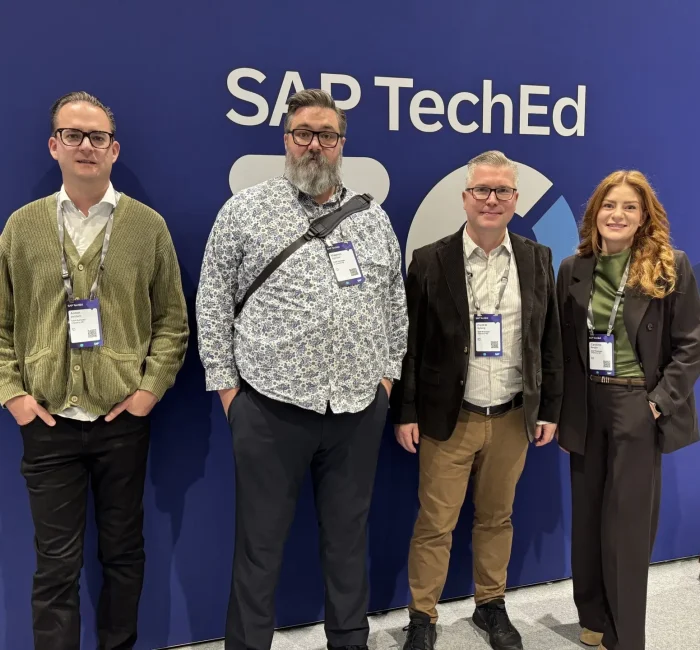

Nordic Integration Summit in Stockholm brought together experts in integration, architecture, and AI. A central theme was agentic AI—where AI agents can independently plan and execute tasks, even across system boundaries. This opens up new opportunities for automation but also places higher demands on integrations, as well as security and control over what the agents are allowed to do.
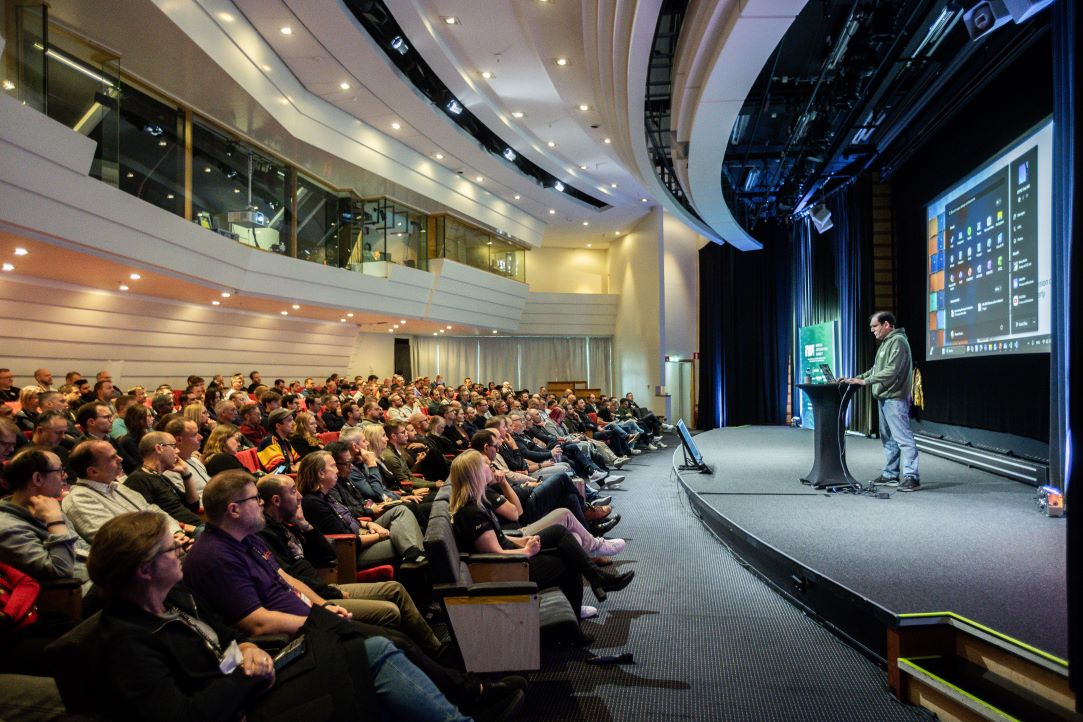
Image from a previous Nordic Integration Summit. Image credit: Nordic Integration Summit
How is the role of integrations changing as AI agents begin to act within ERP systems?
“Traditionally, integrations have primarily been about transferring information between systems. When AI agents need to perform tasks, they also need to be able to retrieve information, use system functions, and initiate actions. This changes how we need to think about integrations,” says Jesper Lindsten, Senior Integration Consultant at Implema.
For companies using Dynamics 365, this could mean, for example, that an AI agent identifies a deviation in an order flow, retrieves supplementary information from other systems, and suggests or implements an action based on the organization’s rules.
“At the same time, we must have control over which tasks the agent is allowed to perform and what information it has access to. Security, permissions, and reliable integrations become even more important,” says Stigove Borgmeister, Senior Integration Consultant at Implema.
Why is it not enough to just give AI access to data?
One of the innovations that sparked particular interest at the conference was Microsoft’s business skills concept within Work IQ.
“An AI agent doesn’t just need to access information. It also needs to understand how the business operates. With business skills, you can describe business processes and rules in a way that AI agents can use, for example via Copilot Studio,” Jesper explains.
Microsoft is also developing ways to combine business data from sources like Dynamics 365 with information from Teams and SharePoint. This can provide AI agents with a broader context for interpreting information and performing tasks.
“Companies can start right now, even without a finished AI project. By mapping and documenting their processes, they create a foundation for future AI solutions. At the same time, we can help them identify where AI and automation could provide the greatest benefit.”
What new opportunities are opened by Microsoft’s investments in AI and automation in Azure?
Another area highlighted at the conference was Logic Apps Automation, which expands the possibilities for building agents and automations in Azure.
“It’s an interesting complement to Copilot Studio. For us, the next step is about exploring the strengths of the different platforms and understanding when they are best suited for different needs,” says Stigove.
For companies, this development can mean more opportunities to automate business flows that span multiple systems, such as Dynamics 365 and other business applications.
“Not everything needs to be solved with AI. Where the same conditions should always yield the same result, deterministic rules are often the best choice. AI comes into its own when the task requires interpretation, flexibility, or judgment. Regardless of the technology, the solution must work securely and reliably within the customer’s existing system environment,” says Stigove.
How does Implema put these new opportunities into practice?
Implema is already working to simplify the development of applications that interact with and complement Dynamics 365.
“We have developed our own template that makes it possible to build applications in Azure with AI support more quickly. It includes ready-made skills and connections to MCP servers that help the AI tools understand both Azure and Dynamics,” Stigove says.
The template also provides a standardized technical foundation, including authentication via Microsoft Entra ID and version control.
“We avoid starting from scratch every time and can move more quickly from idea to a working solution. For customers, this can mean shorter development times and the ability to build new functions around Dynamics 365 without increasing the complexity of the ERP system itself.”
What is the next step for companies?
“We are already seeing how AI is moving from supporting individual tasks to being able to handle more cohesive business processes. The challenge is making it work at scale, in companies’ real-world system environments. That’s when the right data, well-functioning integrations, and clear business processes become crucial,” says Jesper.
For companies wanting to take the next step with AI, it is therefore not just about introducing new tools, but about creating the right conditions to use the technology in existing business processes and translating those opportunities into concrete business value.