
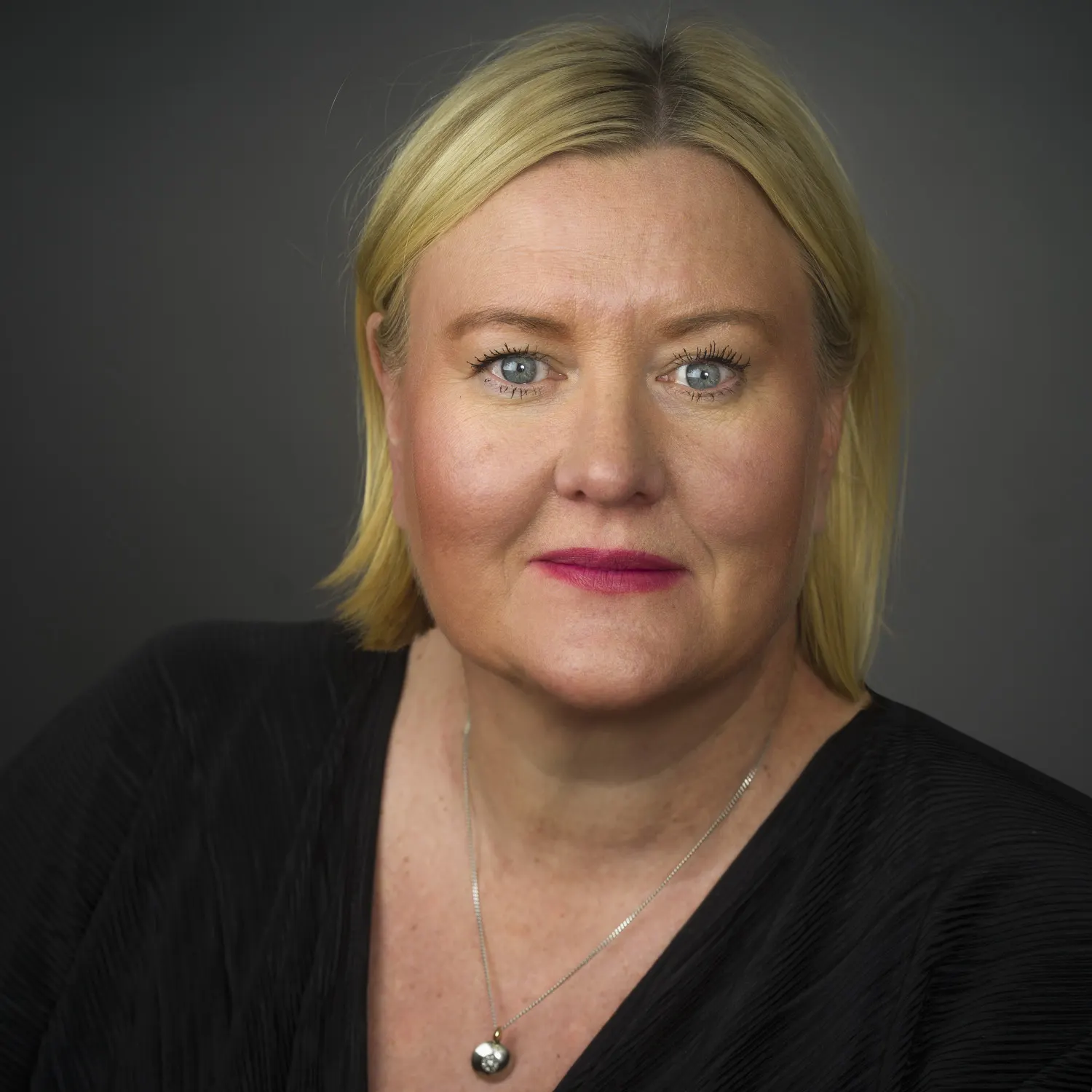

In the third episode of Implema Talks, Susanne Söderholm explains that companies often get conflicting figures because data resides in different systems and KPIs are defined differently across teams, countries, and companies. The solution is to collect, clean, and structure data so the organization shares the same KPI logic and can make decisions based on a common truth.
In this Implema Talks, Johan Söderström discusses with Susanne Söderholm why analytics rarely fails due to “too few reports.” What more often hinders value is that the organization has different answers to the same question. Susanne describes how clean data, a common structure, and clear KPI definitions create a “single source of truth” that both management and operations can rely on.
In brief
If sales, production, and finance get different answers to the same question, you have a definition problem, not a dashboard problem.
A common data platform with clean and structured data makes it possible to create a single truth that everyone can understand.
KPI alignment across countries and companies ensures you are comparing apples to apples, allowing you to manage risk and priorities with greater confidence.
Johan asks the business-critical question, “why should I care?” Susanne’s answer focuses on risk, because when the leadership team cannot trust the numbers, they are forced to guess or make decisions based on local truths that don’t hold up at the management level. Sales might be happy with a deal, while production or product teams see costs spiraling. If these perspectives aren’t linked within the same data and KPI structure, the “big picture” becomes impossible, increasing the risk of misprioritization.
One of the most insightful moments in the conversation is when Susanne describes how two people can give two different answers to the exact same question. This happens when the organization lacks a common definition of what is being measured or a shared data foundation that everyone sees. This is where “trusted analytics” begins. Not with more reports, but by creating a common language and a shared truth.
Susanne describes a practical workshop format they use in their projects. They gather relevant data sources, clean and structure them, and create a foundation that everyone can understand based on their role. The goal is for everyone to look at the same data and interpret KPIs in the same way. She also highlights a common reality: some companies run SAP Business Warehouse alongside an external data platform, but data and definitions don’t match between the environments. This makes the question practical and urgent: what is the “single truth” that everyone should actually use for management?
In global or multinational environments, KPI alignment becomes absolutely critical. Susanne explains that the same KPI needs to mean the same thing in both countries, measured in the same way and at the same time. Otherwise, you’re comparing apples to pears. Johan links this to the management perspective: when the world changes, you want to see early signals and base decisions on real data, not assumptions. This requires comparable KPIs and governed data.
It means that figures and KPIs are based on common definitions and clean, structured data. This ensures different teams get the same answer to the same question.
Because they use different data sources, different selections, or different definitions of the same KPI.
Start by choosing a few key governing KPIs, agree on their definition and calculation, and secure data quality and structure before scaling reports and AI initiatives.
00:00 Intro and why use cases matter
00:27 Susanne presents BI, Data, and Analytics
01:15 Do you really understand the business and the numbers?
01:39 Two different answers: What is the truth?
02:30 Workshop: Data in one place, clean and structured
03:24 Why a data platform often beats pushing everything into the ERP
04:48 KPI alignment: Apples to apples
05:23 Early warning signals and the risk perspective

Get in touch with our team – we’re happy to help!
Whether you have a question, want to learn more about our solutions, or are simply curious how we can support your business – we’d love to hear from you.