
FUJIFILM Diosynth Biotechnologies went live in just six months—a record time in Life Science, which faces completely different and tougher requirements than many other industries. Here, they share challenges, insights, and success factors from the journey.
FUJIFILM Diosynth Biotechnologies is a global contract development and manufacturing organization (CDMO) in biotechnology. They develop and produce biological medicines, vaccines and advanced therapies for some of the world’s leading Life Science companies.
A Record-Breaking Project
Implementing a new business system within Life Sciences can often take several years. Strict regulatory requirements mean that every process must be documented and validated in detail.
Against this background, FUJIFILM Diosynth Biotechnologies’ journey is somewhat unique: together with Implema and Danish Implement Consulting Group, they went live with a fully validated SAP S/4HANA system in just six months – in the middle of a pandemic and total lockdown in Denmark. How was this possible? And what lessons can other companies take away?
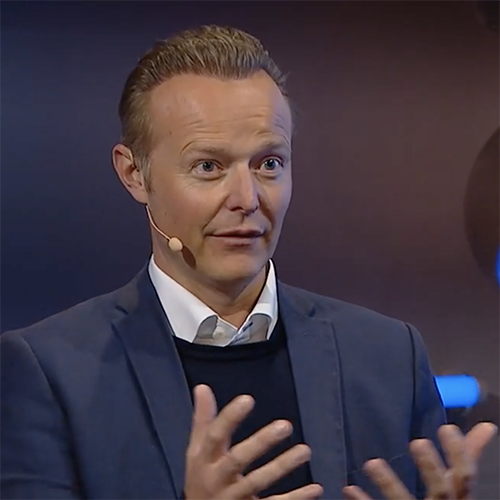
In a panel discussion during Implema Inspire, led by journalist Sabinije von Gaffke, three key individuals shared their perspectives:
- Christian Houborg, VP Product Supply, FUJIFILM Diosynth Biotechnologies – responsible on the customer side and the project’s primary sponsor.
- Preben Holst-Nielsen, Business Advisor, Implement Consulting Group – advisor with extensive experience in Life Sciences and SAP S/4HANA.
- Katarina Sutrowitz, then Sales Director, Implema – contributed insights on methodology and collaboration.
Choosing the Platform and Partner
To succeed with such an ambitious initiative required not only the right choice of system but also the right collaboration partner. FUJIFILM Diosynth Biotechnologies faced a crucial decision: to leave their previous platform behind and fully commit to SAP S/4HANA – while simultaneously finding a partner who could match both the pace and the high standards of Life Sciences.
– We made the bold decision to completely leave our previous platform and switch to SAP, says Christian Houborg. The goal was to choose a future-proof platform that we could grow with and develop the business on. Going live with SAP S/4HANA within Life Science in just six months had never been done before, so it was of course an enormous challenge.
The first meeting with Implema in Copenhagen became decisive:
– After Implema presented their approach, their model, budget, resources, and timeline, we asked them to leave the room so we could talk internally. As soon as the door closed, we high-fived. Suddenly we felt that it was actually possible! We had found a partner we could work dynamically and agilely with, within the timeframe we had set ourselves. What impressed us most was that Implema believed this was actually a normal timeline for them.
Implema also felt the meeting was special, recalls Katarina Sutrowitz:
– For us, it was a “perfect match.” Already in the taxi on the way back to the airport, we were celebrating because we felt that all the conditions were in place. The customer was engaged, allocated the right resources, and bought into the agile approach we always strive for in our projects.
Success Factors
What would you say are the most important success factors in this project, not least due to the short timeline?
- Industry Knowledge, Experience and Competence
Preben Holst-Nielsen begins by explaining that the right composed team of competencies is one of the most important key factors for a successful project.
– A properly composed team is absolutely crucial. By the right team and the right competence, I mean both the right key people from the customer’s side, but also the right consultants from the implementation partner. We needed a partner who both knew SAP S/4HANA and had experience with greenfield implementations – and who also knew Life Science and the regulatory requirements that place completely different demands on documentation, traceability and validation. That exact combination was crucial for us to succeed in carrying out a validated project in such a short time. Implema delivered there. That competence and that experience is incredibly important to succeed with a project like this in only six months, says Preben Holst-Nielsen.
- Standard Processes in SAP
– Every time we faced a choice, we went with SAP standard, explains Christian Houborg. Without that mindset, we never would have completed the project in six months. And within Life Sciences, it’s even more important. The more we can lean on proven standard processes, the simpler the validation becomes and the faster we can go live. - Active Sponsorship and Quick Decisions
– Instead of steering committee meetings every six weeks, we had leadership that was present every day and could make decisions immediately, explains Holst-Nielsen. That kept the pace up. - End-to-End Process Organization
According to Preben Holst-Nielsen, it is important that teams have the mandate to make decisions on their own.
– We organized the project with end-to-end process teams. Instead of putting a finance team in a corner to work with finance, we organized the teams end-to-end according to flows and processes such as logistics, quality and warehouse. This broke down silos in the organization and got the teams to work with the entire process end-to-end.
Christian Houborg makes the connection to crowd-solving:
– Everyone gets involved in building an end-to-end supply process in the company. A recommendation to all projects out there is definitely to choose a model with an end-to-end process mindset and then stick to it strictly. - A Tight Timeline as a Strength
– A short timeline creates focus and simplifies prioritization, says Katarina Sutrowitz. Everything unnecessary gets scaled away. We focused on core processes and maintained focus throughout the entire project. - Guidance in best practices processes
Adhering to standard processes may sound simple but Preben Holst-Nielsen means it also places demands.
– A willingness from the company to adapt to best-practice processes is absolutely crucial. It also requires a partner with experienced and competent consultants who can lead and guide in best practice within S/4HANA. That combination is the key to succeeding in staying with standard.
- Strong Vision and Team Spirit
One theme came up again and again: team spirit.
– We were like one big team without boundaries between the three companies, says Houborg. Our shared vision, even the ambition to break the world record in going live with SAP S/4HANA within Life Science, gave us the energy to test new ways of working and give that little extra.
The project organization was built around end-to-end process flows rather than traditional functional silos. – That way, the teams got responsibility for entire processes like logistics, quality and warehouse – not just isolated parts, says Holst-Nielsen.
– I was particularly impressed by the visualization, adds Katarina Sutrowitz. The project room was like a war room, everything was prepared for quick stand-ups and decisions. Combined with the strong commitment from top management, it made an enormous difference.
Lasting Lessons
The first site went live in six months – on time, within budget, and fully validated. The project became a milestone, both for FUJIFILM Diosynth Biotechnologies and for the entire project team.
The most important lessons – the value of standard processes, strong sponsorship, industry-specific expertise, and a cohesive team – are equally relevant today.
The experiences continue to inspire ongoing work with SAP S/4HANA, and show that even the most regulated industries can succeed in record time when vision, collaboration, and leadership go hand in hand.